
Mentoring and Leadership Resources
Find resources specifically for building mentoring into your discipleship projects, and also explore leadership resources such as Faith+Lead, Transforming Stewardship, and Transforming Vestries.

Good Influence (Young Adults, Adults, Senior Adults)
Young people desperately seek to develop an inner core that will not only rescue them in times of distress, but also help them to define and shape moral convictions, passions, and interests in building a better world. This book will help adults understand what young people are searching for, describe how to have a lasting impact on your children’s or student’s development, teach credible models of adulthood, and guide adults towards achieving the passion and wisdom for spiritual mentorship.

Big Questions, Worthy Dreams (Young Adults and Adults)
Sharon Daloz Parks has written Big Questions, Worthy Dreams to inform and inspire renewed commitment by educators, church leaders, and others to consider the institutional and cultural patterns that affect emerging adults. It serves to bridge the divide between generations and to encourage more adequate recognition of what is at stake in the response of all who interact with emerging young adult lives.

Youth Ministry as Peace Education (Youth and Adults)
Drawing on the deep wisdom of Christian tradition and practice and the latest insights in educating for peace and civic engagement, Youth Ministry as Peace Education offers clergy, students, and practitioners a new approach to youth ministry–a way to equip young people to transform violence and oppression as part of their Christian vocation.

Pilgrim
Pilgrim is a teaching and discipleship resource that helps inquirers and new Christians explore what it means to travel through life with Christ.
A Christian course for the twenty-first century, Pilgrim offers an approach of participation, not persuasion. Following the practice of the ancient disciplines of biblical reflection and prayer with quotes from the Christian tradition throughout the ages, Pilgrim assumes little or no knowledge of the Christian faith. Individuals or small groups on the journey of discipleship in the Episcopal tradition can use Pilgrim at any point.

Shaping a Faithful Life (Young Adults)
The resources collected in this book equip young adults to explore deep questions of meaning and purpose and to find ways to connect these questions to the call to faithful living.
People in their twenties and thirties are in a stage of life where questions of meaning, purpose, and identity loom large. Here are six core discernment questions to help readers look deeply at where they are now and where they desire to grow.

Yearning (Young Adults)
One of the first books of its kind addressing how young adults are living in an intentional community in the Episcopal Church.
Young adults (18-30) are searching for a church that demands their involvement, whether it is in mission, worship, theology, or daily life. They want a church that is relevant and offers a vision of the Divine. This book places the church in context with consumerism, freedom of choice, war and terror, and the impact of technology now dominating the worldview of young adults. Drawing upon the proven success at St. Hilda s House in New Haven, CT, this book provides stories and narratives from young adult interns, who are involved in its mission and ministry.”

Building Dialogue
A resource for working through conflict with dialogue toward the goal of peace.
Building Dialogue is intended as an aide to inter-contextual analysis of conflict and practices of peace. This book emerges from inter-cultural relationships and discernment. Based on a three-year effort by a community of scholars and practitioners from across the Anglican Communion who reflected on the nature of conflict in relation to Christian visions of peace.
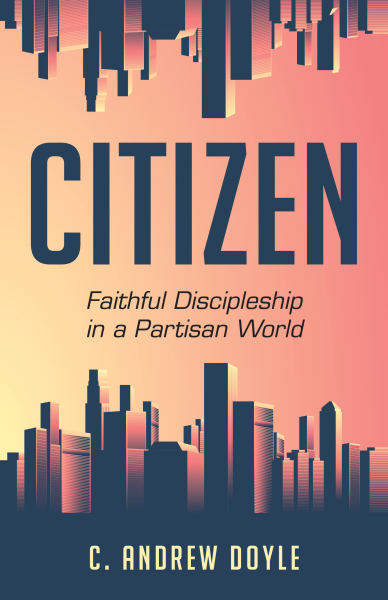
Citizen
A must-read for Christians struggling with the present political conversation
Citizen helps Christians find our place in the politics of the world. In these pages, Bishop Andy Doyle offers a Christian virtue ethic grounded in fresh anthropology. He offers a vision of the individual Christian within the reign of God and the life of the broader community. He adds to the conversation in both church and culture by offering a renewed theological underpinning to the complex nature of Christianity in a post-modern world.
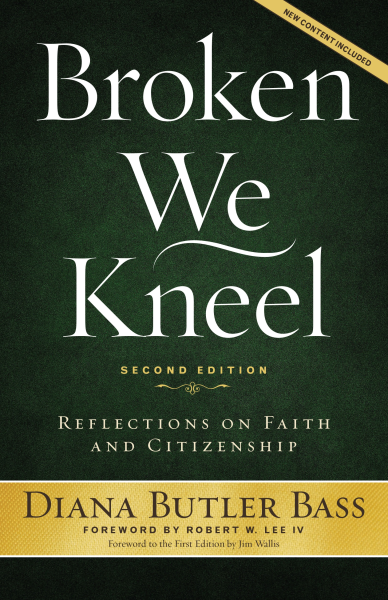
Broken We Kneel
America’s unique and often fractious relationship between church and state is, if anything, more relevant to who we are as a nation than when Diana Butler Bass’ examination of it in Broken We Kneel was first published 16 years ago. This second edition contains a new foreword and introduction, as well as a new conclusion outlining her vision for the future.
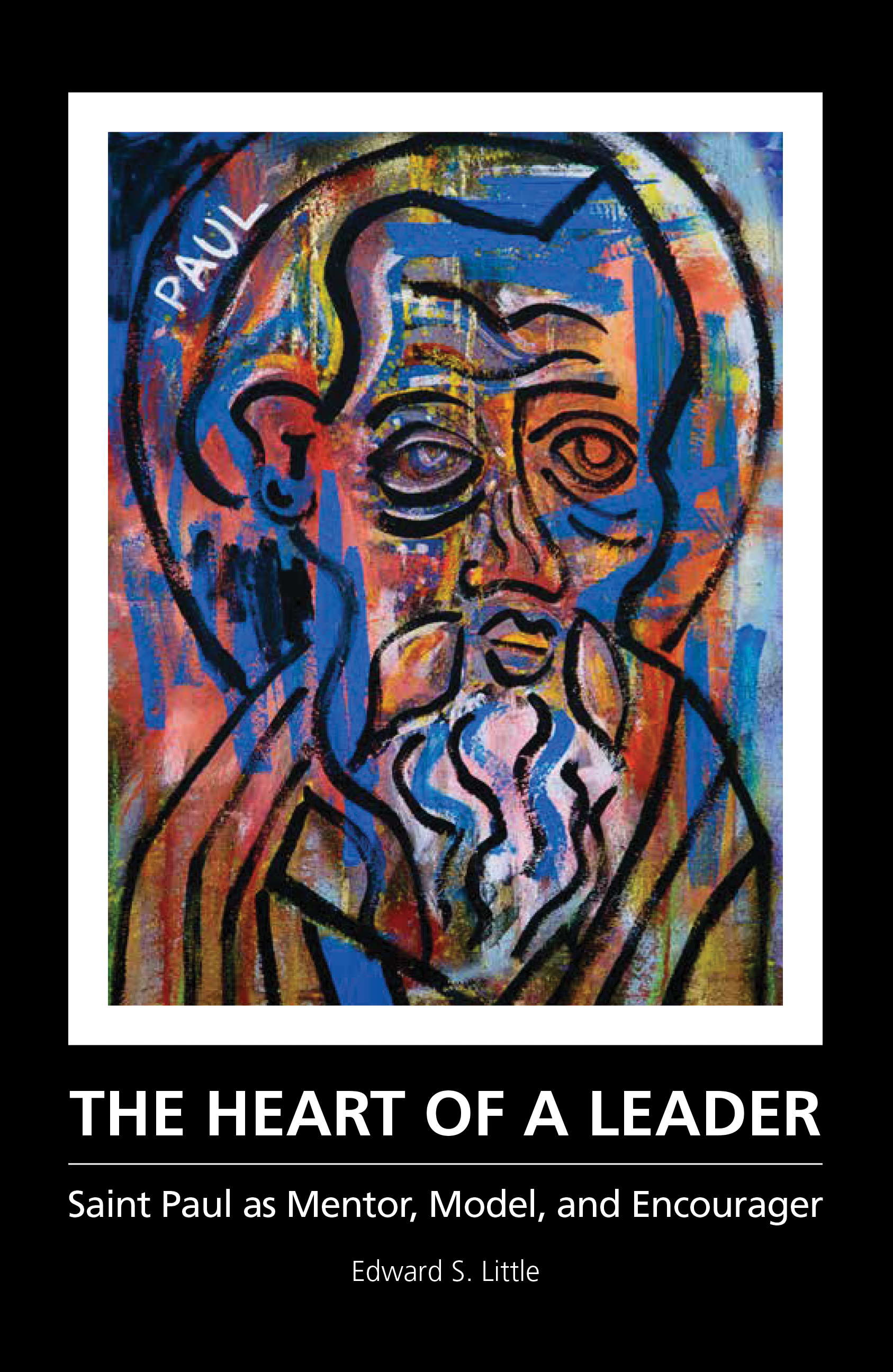
The Heart of a Leader (Young Adults, Adults, Senior Adults)
The roles of mentor and apprentice, leader and protégé, teacher and student are not optional in the kingdom of God. They are at the heart of what it means to be a disciple of Jesus Christ. As both clergy and lay leaders, we find ourselves on the teaching side of the mentor/apprentice relationship; at other times we are the learners. In The Heart of a Leader, Bishop Edward S. Little moves through 2 Timothy, drawing on the lessons and teachings of Paul as a guide for mentoring and encouraging others to a life deeply committed to Christ.

Transforming Leaders
Whether you want a Transforming Leaders Certificate or you want to attend workshops and trainings, this initiate coming out of Yale is for you. There is also a fantastic podcast.
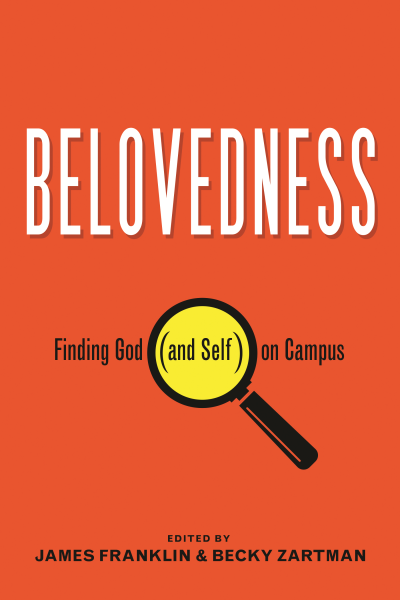
Belovedness (Older Youth and Young Adult)
A great book to use with Older Youth who are transitioning to college.
Every college student’s story is different, but they all have the same questions in common. Who am I? How do I make good choices? What does it mean to be successful? How do I navigate changing relationships with my family, my peers, my significant other? And how do I do all of this faithfully? This book approaches these topics through a fundamental inquiry: “What if I really, truly believed that I was beloved beyond all measure, and how would that influence what I do?”

Transforming Disciples
Making disciples through Christian formation too often looks like a limited number of educational programs offered to child, teen, and adult “consumers” who move on if they don’t find what they want. How can we make the transition from consumer religion to participatory faith by building congregational relationships that nourish people spiritually and empower them to risk living, worshipping, learning, and serving God and each other in new and enlivening ways?

Transforming Evangelism
How can Episcopalians reclaim evangelism primarily as an enriching spiritual practice? How soon will we recognize that our traditional hands-off approach has led to a crisis of evangelism with our own children? How can we learn to practice evangelism in an multicultural and multifaith society ? and to what purpose? What styles and practices of spirituality do most to enrich our sense of evangelical calling?

Transforming Leadership
Questioning and renegotiating the authority, roles, responsibilities, and relationships between lay and ordained leaders has become the order of the day for the church. In her new book for clergy and congregations, leadership expert Katherine Tyler Scott provides models and spiritual practices to feed the growing hunger in our churches for grounded spiritual authority.

Signs of Life
Signs of Life offers a clear-eyed consideration of the challenges facing congregations as well as a celebration of practices that contribute to spiritual vitality in congregations. Download Study Guide here.
These best practice principles—signs of life—emerge from a ministry called RenewalWorks, a concerted effort to make spiritual growth a priority in congregations and to build cultures of discipleship within them.
The book is written free from illusion that there is a quick fix. Nor does it propose a prescriptive focus on programmatic solutions. What you have in this book is an exploration of the catalysts and best practices for spiritual growth-and the hopeful confidence that it can happen. After all, with God all things are possible.

My Church is NOT Dying
The old way of “being church” is being replaced by something new and beautiful for those with the eyes, ears, heart, and soul to experience it.
Prolific author Greg Garrett reminds Episcopalians of the many gifts that our tradition can offer a doubting and hurting world. He reveals a church that values intellect, beauty, diversity, and community, and promotes thoughtful engagement with questions of faith, ethics, and community. This church espouses a generous orthodoxy, welcoming left and right, mystic and doubter. It values education, social justice, and engagement with
literature and culture. And in opposition to the radical individualism espoused by most of American Protestantism, it offers the unique gift of a tradition shaped by English culture that believes the individual is a part of her or his community—not in opposition to it.
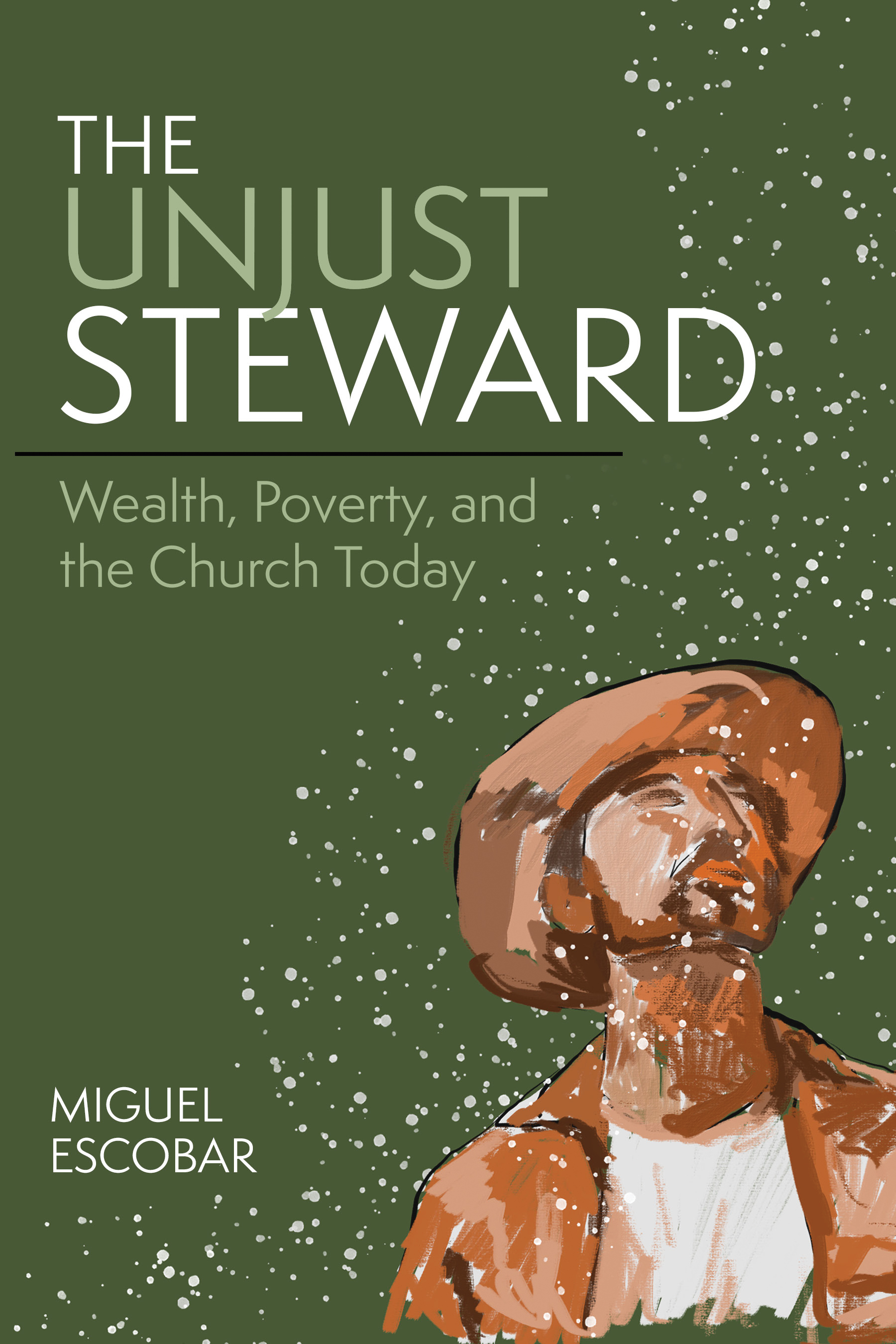
The Unjust Steward
In the ancient heart of Christianity is a deep longing for God’s reversal of rich and poor. Its depiction of “the righteous poor and oppressive rich” and God’s preferential option for “the least of these” continues to represent something new, countercultural, and strange, both in ancient Rome and today.
Author Miguel Escobar grounds the discussion of wealth and poverty in the teachings of Jesus, weaving in the words of early church leaders and his own personal experience.
The Unjust Steward presents a compelling case for a profound overhaul in the way the church and its people value the poor and transform into servants of God instead of stewards of wealth.

Transforming Questions (Emerging Adults, Adults)
Transforming Questions is an exciting adult formation course designed to help both new Christians and longtime churchgoers move into deeper life in Christ. Over the course of ten sessions, participants engage the basic questions of the Christian faith through a combination of teaching and conversation. Participants gather to share a meal, then a leader gives a presentation about a central question of faith. In small groups, participants are invited into deeper reflection on and engagement with the topic through discussion questions. Participants will wrestle with some of the most basic questions of our faith: Who is Jesus? Does God answer prayer? Why do bad things happen?
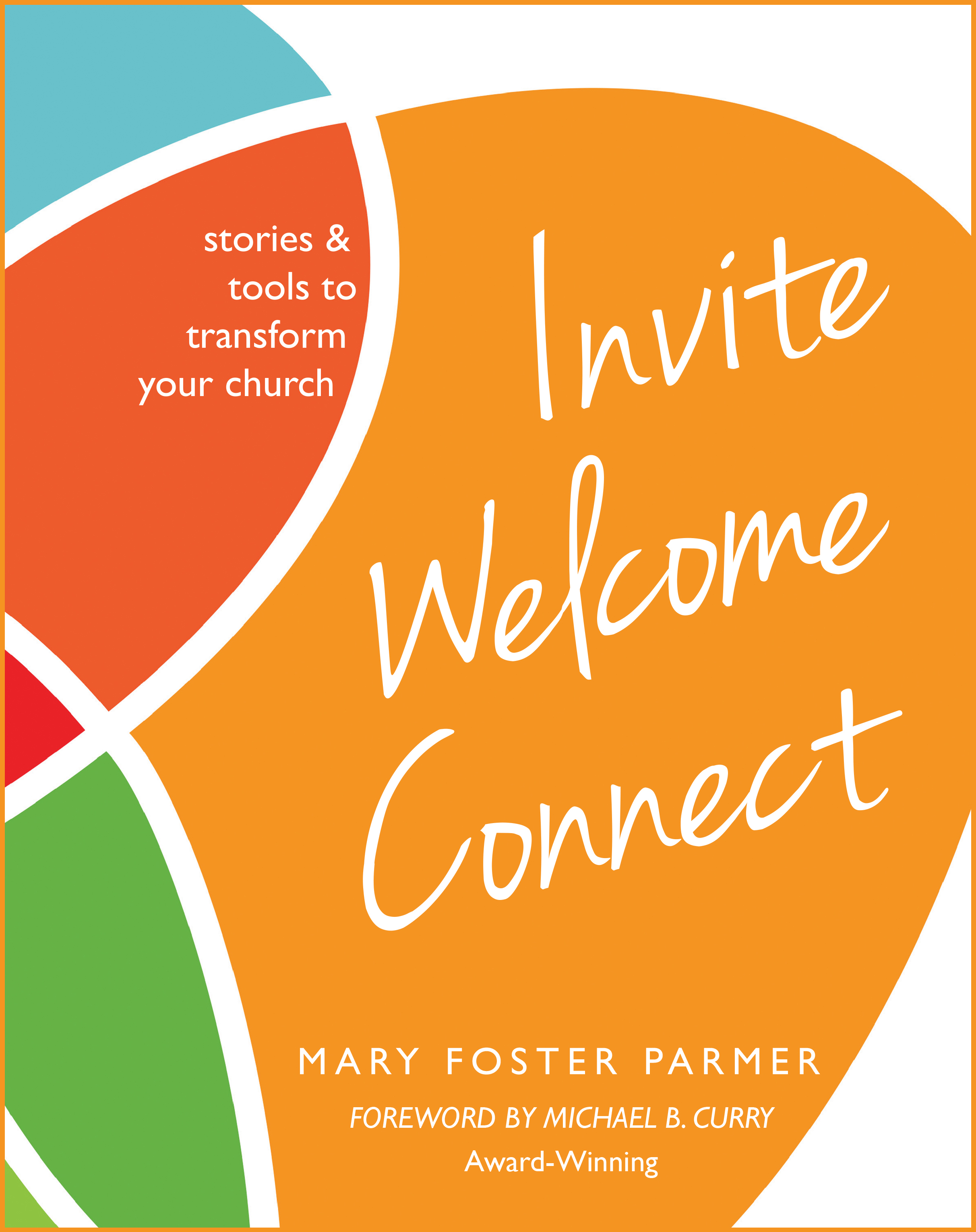
Invite. Welcome. Connect.
Guided by the gospel imperative to “Go and make disciples of all nations,” the ministry of Invite Welcome Connect equips and empowers individuals and congregations to practice evangelism, hospitality, and connectedness. Invite Welcome Connect’s founder, Mary Parmer, shares the deep truths of this ministry as well as practical steps to assess your faith community and begin implementation. This resource also features stories of transformation from more than two dozen lay and clergy leaders. Foreword by Michael B. Curry.

Acts to Action
Jesus’ first disciples and modern-day Christians face the same question: How do we share the good news of Christ that we have experienced with the people we meet in the course of our daily lives? The Book of Acts details how the early disciples overcome the challenges of spreading the gospel in the midst of failing institutions, theological differences, and widespread uncertainty.
With a focus on Acts Chapter 8, editors Susan Brown Snook and Adam Trambley and contributors from across the Episcopal Church discuss how these lessons from Christ’s earliest followers apply to the mission Jesus still gives us today: to be his witnesses in our churches and neighborhoods and to the ends of the earth. The authors explore essential elements of church mission, including worship, proclamation, loving and serving, repentance, and knowing the community.
 Formation