
It’s time again for churches to plan for the year. When it comes to formation, what should we be thinking about?
Six Things to Consider
Into What are We Being Formed?
Formation is consistency over time. Formation is always about the long game. We know this is true if we look at any geological formation. Living a Prayer Book-shaped life is also about consistency over time.

All things, including humans, are formed through consistency over time. There are no “quick fixes” in formation (even though we wish there were). We see this throughout scripture. God’s people are always formed through consistency over time, and God’s timeline is never our timeline. God always plays the long game.
So, asking, “what is formation?” is not always the best question for us to ask because formation is not a mystery. We are formed by what we practice….over and over…consistently. If I run consistently over time, I am a runner. If I pray, I am a prayer. If I swim, I am a swimmer.
And as Paul tells us in Romans 12, we are all always being formed, whether we want to be or not, whether we know it or not. So, the more important question for us to ask ourselves is “into what are we being formed?”
If we begin with this question, it will always guide us to more meaningful places of discipleship with our people. For example, if we want our people to get to know their neighbors, we should ask ourselves, “Are they formed to do this?” Most of us in American culture today are not.
So, we might refine our question a bit and ask, “How can we love our neighbors if we don’t know how to get to know our neighbors?” Now, with this question, we have a different approach, and this becomes a good guiding question to help us move forward in what types of formation we offer.
If you’re not sure where to begin with your questions, I always start with this one…
What is it that makes us come alive?
Individually and communally, if we keep seeking out and following God’s aliveness, then we will always be on the Way of formation.
Names Matter: Living and Learning Communities
What we name things is important. We know this from our Creation story. The way we name things and the ways that we are named shape the ways that we are formed. They frame how we view the world and other people.
God names us with true names such as Beloved and Children of God. We often give each other untrue names such as enemy and outsider…”them”…”those people over there”…
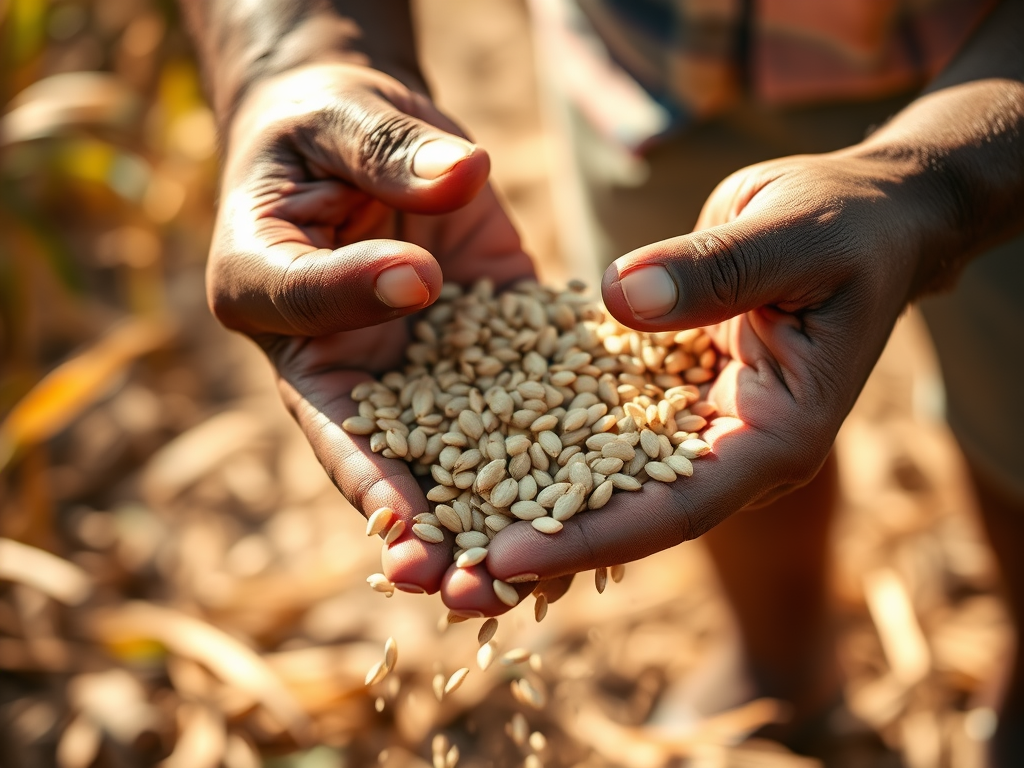
Names matter, and this is true in the church as well. We might find it helpful to try shifting some of our language, no matter how small, because the words we use and the names we call each other – either neighbor or enemy – are the seeds that we plant for future harvests.
Even in very practical things, names matter. For example, instead of asking for “volunteers,” try asking for “participants in our community life together.” Instead of calling formation gatherings small groups, books clubs, Bible studies, Formation Time, Christian Education, or Sunday School, try calling these things Living and Learning Communities.
We are, after all, trying to live and learn together into the shape of Jesus’s life and teachings, so why not just call it what it is?
Focus on Micro-Formations
Most of the time as formation leaders, we are teaching, offering, and leading macro-formational activities, practices, lessons, retreats, and events. In particular, we tend to rely heavily on programs and events for our “formation” in our churches, which we assume are allowing us to form disciples in meaningful ways.
Now, it is true that programs and events – these macro-formations – can aid in formation and discipleship, but they can never be the only thing we do. Programs and events are never enough.
Meaningful, intentional discipleship happens through genuine expressions of warmth and friendship, relationships and companionship, within ongoing learning communities. Often, these types of discipleship relationships form through micro-formations.
In November 2024, I wrote a post called What is a Micro-Formation? In that piece, I defined micro-formation as, “Any small reflective observation or intentional teaching on an aspect of Christian formation that connects directly to someone’s daily life and Christian practice.” I then suggested:
More powerful than programs, retreats, or events, we significantly undervalue the simple, intentional gestures of communication we offer to ourselves and to others. In fact, we often fail to realize that the small micro-formation seeds that we sow can have some of the biggest impacts in people’s lives.
In sum, micro-formations are the seeds Jesus told us about, and we might here recall his teachings on the powerful practice of seed casting to plant for future harvests. So, Jesus used micro-formations, and he practiced the art of seed casting. Why don’t we?

Perhaps we don’t think we have the time for all this planting of seeds because it is really time-consuming to build relationships and also pay attention enough to someone else’s life that we can communicate a meaningful, non-judgmental, encouraging/challenging observation into their life.
The nice thing about micro-formations, however, is that they can happen at any time because every moment is a formation moment. All moments are saturated with the presence of God and the movement of God’s Spirit (Mk 1:15). So, we can be creative and use our spiritual imaginations to think of new ways to bring micro-formations into our ministries and congregational life.
Micro-formations are the intentional ways we come to participate with God in the ordinary moments of our community’s lives.
We don’t need to try and find extra times to set up spaces for micro-formations. These are not intended to be extra work for us. Micro-formations are small, intentional gestures of speaking meaning into people’s lives through words of affirmation, appreciation, contribution, and discernment or through invitations into (small) shared practices of spiritual growth. They foster growth and resilience because they are focused on relational engagement instead of transactional information exchange.
Micro-formations are integrated into what we are already doing, and it will help us significantly if we can begin to recognize all of the ways we offer micro-formations within our ministries.
Less Programming, More Relationships
As we move into the future of the church, most of our current research is telling us to think less about programming and more about discipling. Programming is a good place to start, but it’s not a place to stop. As I said above, more important than programming is building relationships, especially multicultural, inter-generational relationships. Remember…
We belong to each other.
Romans 12:5
Setting up mentoring relationships is a helpful and simple way to encourage more relational discipleship in your context. Many formation leaders tell me they need more youth and children or that they only have one youth in the youth group. My response is always the same…”that’s great! now you and your church can pour all of your attention, time, energy, and wisdom into that one youth and what an amazing experience of church they will have!” Spiritual growth is always more important than numerical growth, so no matter how many youth you have, show them they are important and belong by placing mentors in their lives.
Yes, moving away from transactional programming and more toward relationship-building models of discipleship is probably not what we are used to, but it is a biblical discipleship model and something we need to work on improving. It’s also something all of our current data and research is telling us:
People don’t want more programming. People want intentional, relational discipleship that is both multicultural and inter-generational.
It’s true that programming seems easier (because it’s what we’re used to), but it’s not very effective at creating disciples of Jesus. Yes, change is hard, but in the long run, intentional discipleship will transform our churches and our peoples’ lives.
The Belonging Barometer: A Prayerful Approach
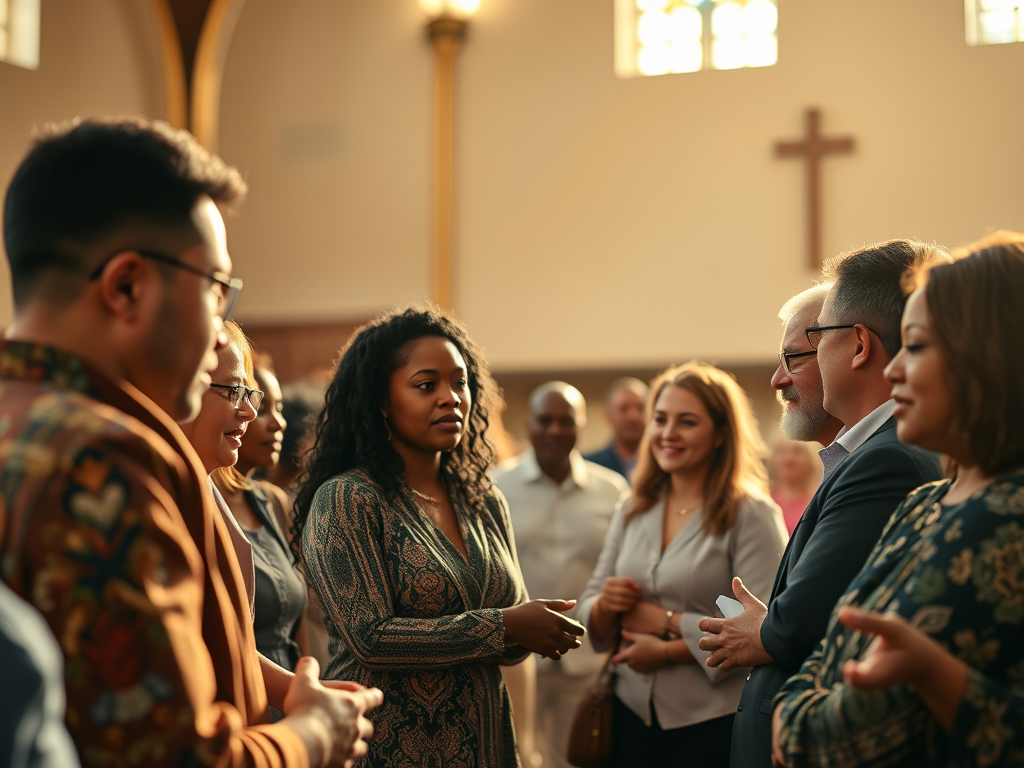
As we are thinking about relationships, we need to be sure we are creating spaces of warmth and welcome where everyone feels a sense of belonging without othering. When people come to church, they want to belong, and they want to know about meaning, belonging, and purpose in their life. If we’re not addressing one or all of these questions, then we might consider shifting or changing what we are doing.

It’s often helpful to think of our churches like a belonging barometer. How warm is our community? How much does our formation focus on belonging, hospitality, and welcoming? And this doesn’t simply mean politeness or niceties such as quickly asking someone how their week went or how the kiddos are doing.
True belonging emerges out of sincere and genuine relationships. Are we fostering deeper growth and commitment to these types of relationships? Are we offering our folks time and space to get to know one another, read scripture together, discern together, and pray together?
One good approach to this type of relationship building is a contemplative approach. Yes, I know. Many of us think of contemplative prayer or meditation as individual focused, but contemplation can be a very active, engaged, and communal experience when it is practiced together. It is a tangible way of practicing what Paul asks to do when he says to “pray without ceasing.”
Contemplation is also not just about silence. It is about learning to become available: available to God’s presence in our lives and also available to each other. A good way to think about contemplation, then, is as a practice of availability, and what a gift it is to give someone our availability and attention! It is a powerful spiritual practice of generosity and charity to practice availability in our lives. It is one way of imagining what the “pure in heart” may look like in our own lives.
A clear and undivided heart is one that is fully present and available to what is happening in each moment of our unfolding life together, and it is an expression of a prayerful life…that is, practicing availability can shape our lives into expressions of prayer and spiritual imagination.
In our world of busy-ness and burnout, it is a true gift to give someone our undivided attention and to be present and available to them in our conversations.

This is a relationship practice, and it is one that we do not practice enough. It is also a biblical practice that Jesus tries to show us over and over again in his life and teachings.
Find Models that Focus on Skill-Building
When we are selecting a curriculum of some type, it is helpful for us to begin to avoid things that focus heavily on transactional forms of information delivery. Delivering information is okay some of the time, but the ways we approach formation tend to over-focus on information and less on transformation.
For example, yet another lecture from an “expert” talking “about” some aspect of Christianity is not going to be transformative. It never has been, and it never will be. So, choose a “model” rather than a program.
When we are selecting a curriculum, it is helpful for us to pick one that focuses on relationships and relational skill building, such as how to speak to people with compassion, how to listen well with charity and generosity, how to be bridge builders in a world of bunkers and barriers, how to have hard conversations, how to view communication as a spiritual practice. How can we discern together? How can we learn to practice storysharing together on a regular basis?

Jesus didn’t give us a curriculum to follow, and he didn’t offer us any programs. He did, however, give us a model of discipleship to follow, and he did teach us some important skill sets for how to do that.
So, as we select curriculum, we might ask ourselves, “What skills will this offer?” and “Is this teaching folks a model of how to engage each other and the world around them?” And, of course, the main question to ask ourselves is:
“Am I choosing something that will help create actual disciples of Jesus who practice their faith in their daily lives? After I work with them, will their lives look like the shape of Jesus’s life?”
We all have the Faith Jacket we put on and take off when we go to church, but how are we getting folks to abandon the jacket and just LIVE their faith? How are we getting folks to be excited about their faith? And come alive?
As We Approach This Year…
Let’s try these six things together. Let’s try it as an experiment and see if we approach the year differently. Do we ask ourselves different questions in our planning for this year? Does shifting the way we think about formation have an impact on our people?
I think if we approach formation in this way, then it most certainly will have an impact.
In a culture that tells us to stay asleep and “just make it” through our lives, our people are desperate to come alive, and it is our responsibility, as formation leaders, to help this happen as we listen for and partner with the movement of God’s Spirit.
“Awake, O sleeper, rise up from the dead, and Christ will give you light.”
Ephesians 5:14
 Formation